
bathroom mirror manufacturers
How to Close the Water Valve A Step-by-Step Guide Closing a water valve is an important skill that every homeowner should learn. Whether you're dealing with a plumbing emergency, performing maintenance, or just reducing water flow, knowing how to properly close a water valve can save you time, money, and potential damage to your property. In this article, we'll explore the steps to successfully close a water valve and provide some additional tips for managing your plumbing system effectively. Understanding Water Valves Before we get into the steps, it's essential to understand what a water valve is and its function. A water valve is a mechanical device that controls the flow of water in your plumbing system. Valves can be found in various locations, such as near sinks, toilets, water heaters, and the main water supply line. There are different types of valves, including gate valves, ball valves, and globe valves, each operating slightly differently. - Gate Valve This type of valve is operated by turning the handle in a clockwise direction to close it. Gate valves are typically used for on/off service and are not designed for throttling flow. - Ball Valve This valve uses a spherical disk to stop the flow of water. To close a ball valve, simply turn the handle 90 degrees clockwise. - Globe Valve Globe valves are commonly used for regulating flow. They can be closed by turning the handle clockwise, similar to gate valves. Step-by-Step Guide to Closing a Water Valve 1. Locate the Valve The first step is to locate the water valve you want to close. Common places include under sinks, behind toilets, near appliances, or at the main water supply line. If you're unsure, you can follow the water supply line from the fixture or appliance to find the valve. 2. Assess the Valve Type Once you find the valve, determine which type it is. This will influence how you operate it. Make sure you have a clear understanding of whether it's a gate valve, ball valve, or globe valve. 3. Prepare the Area Before closing the valve, it’s a good idea to clear the area around it. This will give you enough space to maneuver and prevent any accidents . If there's any water leaking, use a towel or a bucket to catch it. how to close the water valve 4. Turn Off the Valve - For a gate valve, grip the wheel handle and turn it clockwise until it won't turn anymore. Don’t force it; just turn until you feel resistance. - For a ball valve, turn the lever handle 90 degrees in the clockwise direction until it’s perpendicular to the pipe. - For a globe valve, turn the handle clockwise until it stops. 5. Check for Leaks After closing the valve, it’s essential to check for leaks. Go back to the fixture or appliance and look for any signs of water escaping. If there’s a leak, tighten the valve handle slightly more or consider replacing the valve. 6. Documentation and Maintenance Make a note of the valve's location and any maintenance you've performed. Regular check-ups of your valves can help ensure their reliability. Additional Tips - Use Caution If the water pressure is high, water may spew out when you first start to turn the valve. Be prepared to handle this and, if necessary, use a towel to mitigate splashing. - Have Tools Ready Sometimes valves can be rusted or stuck. In such cases, having a pair of pliers or a wrench may help. - Know Your Main Valve Always know where your main water shut-off valve is located. In an emergency, being able to quickly shut off all water supply can prevent extensive water damage. - Consider Professional Help If you're unsure about closing a valve or if it seems damaged, it’s wise to consult a professional plumber to avoid complications. In conclusion, closing a water valve is a vital skill that can make a significant difference in maintaining your home’s plumbing system. By following these steps and being aware of your valves, you'll be better equipped to handle any plumbing situation that arises.
about
bathroom mirror manufacturers
Understanding the Standard Dial Bore Gauge An Essential Tool for Precision Measurement In the realm of manufacturing and engineering, precision is paramount. One of the key instruments that facilitate accurate measurements within cylindrical objects — such as holes and bores — is the standard dial bore gauge. This article delves into the features, applications, and advantages of using a dial bore gauge in various industries. What is a Dial Bore Gauge? A dial bore gauge is a specialized measuring instrument used to assess the internal diameter of a cylindrical workpiece. Unlike traditional calipers, which measure external dimensions, dial bore gauges are designed to fit into the bore of the part to deliver precise readings. This instrument typically consists of a dial indicator mounted on a shaft, equipped with internal measuring arms that can expand and contract to measure different diameters. Structure and Components The basic structure of a standard dial bore gauge includes the following components 1. Dial Indicator The dial is the most crucial part, displaying measurement readings in either metric or imperial units. The needle on the dial moves in response to changes in bore diameter. 2. Measuring Arms These are the extendable parts of the gauge that contact the inner wall of the bore. They can be adjusted to achieve a secure fit, allowing the gauge to be reliable even in varied conditions. 3. Calibration Rod Frequently found in higher-end models, calibration rods ensure the bore gauge is set to proper standards before measurements are taken. 4. Handle and Gauge Body These provide maneuverability and stability while measuring, ensuring consistent results. How to Use a Dial Bore Gauge Using a dial bore gauge accurately requires a systematic approach 1. Preparation Ensure the gauge is calibrated and clean. Any debris in the bore can lead to inaccurate measurements. 2. Insertion Carefully insert the gauge into the bore until the measuring arms gently touch the inner surface. 3. Adjustment Adjust the measuring arms to ensure they are snug against the wall of the bore. This is crucial for obtaining an accurate reading. standard dial bore gauge 4. Reading Measurement Observe the dial indicator to read the measurement, which reflects the diameter at that specific point in the bore. For enhanced accuracy, measurements can be taken at various points along the bore. 5. Documentation Record the measurements for quality control and further analysis . Applications of Dial Bore Gauges Dial bore gauges are invaluable across several industries, including - Automotive In manufacturing engine blocks and other components, ensuring that bores meet precise specifications is critical for performance and safety. - Aerospace Components in aircraft must adhere to strict quality standards, making the dial bore gauge an essential tool for quality assurance. - Manufacturing Many other types of machinery and equipment require precise internal measurements to maintain functionality and ensure the interchangeability of parts. Advantages of Using Dial Bore Gauges The dial bore gauge offers several advantages that make it a favored choice among engineers and machinists 1. Precision The design allows for high accuracy in measurements, which is crucial for quality assurance in engineering projects. 2. Ease of Use While calibration and setup are required, the actual usage of a dial bore gauge can be relatively straightforward for trained personnel. 3. Portability Most dial bore gauges are compact and easy to transport, facilitating measurements on-site or in diverse work environments. 4. Durability Typically made from robust materials, these gauges can withstand the rigors of a machine shop without losing their accuracy over time. 5. Versatility Suitable for various applications and industries, the dial bore gauge can adapt to different sizes and types of bores. Conclusion In conclusion, the standard dial bore gauge is an indispensable tool in the world of precision measurement. With its ease of use, accuracy, and versatility, it empowers engineers and machinists to maintain the high standards required in modern manufacturing. As technologies advance and the demand for precision increases, the dial bore gauge will undoubtedly continue to play a critical role in the industry, ensuring that every bore meets the stringent specifications necessary for today’s complex machines.
-

High quality industrial productsagement

High quality industrial products
View Details -

Meet the diverse needs of customers

Meet the diverse needs of customers
View Details -

Strict quality control

Strict quality control
View Details -

Top raw materials

Top raw materials
View Details -

Trusted supplier

Trusted supplier
View Details
Our application


news and information
Y Type Strainer Maintains System Efficiency Long Term
In the realm of industrial fluid management, the y type strainer stands as an unsung hero, silently
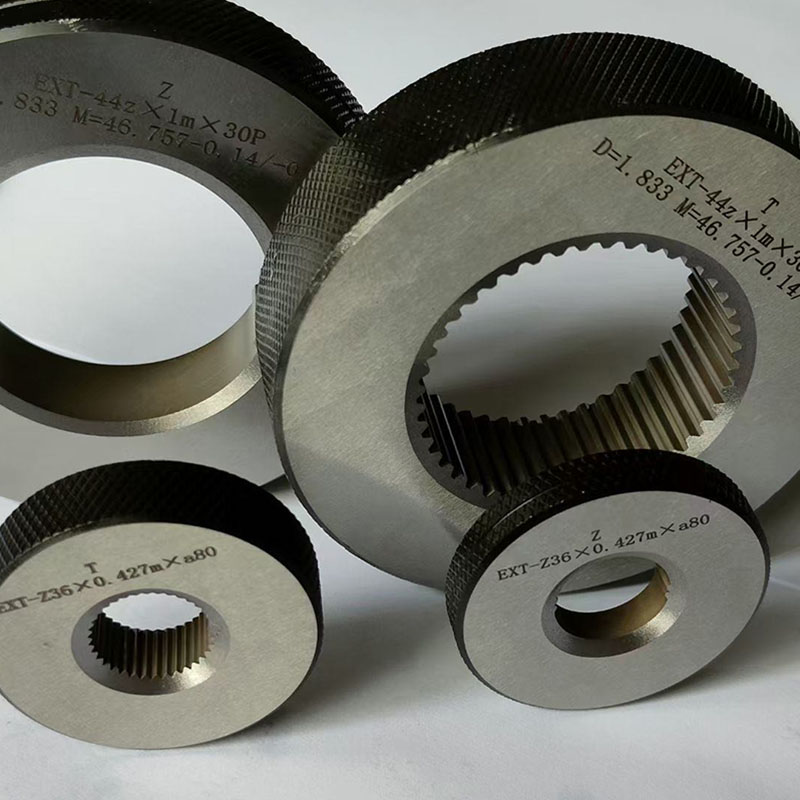
Using a Level to Create Accurate Markings on a Ruler
marking ruler with spirit level .
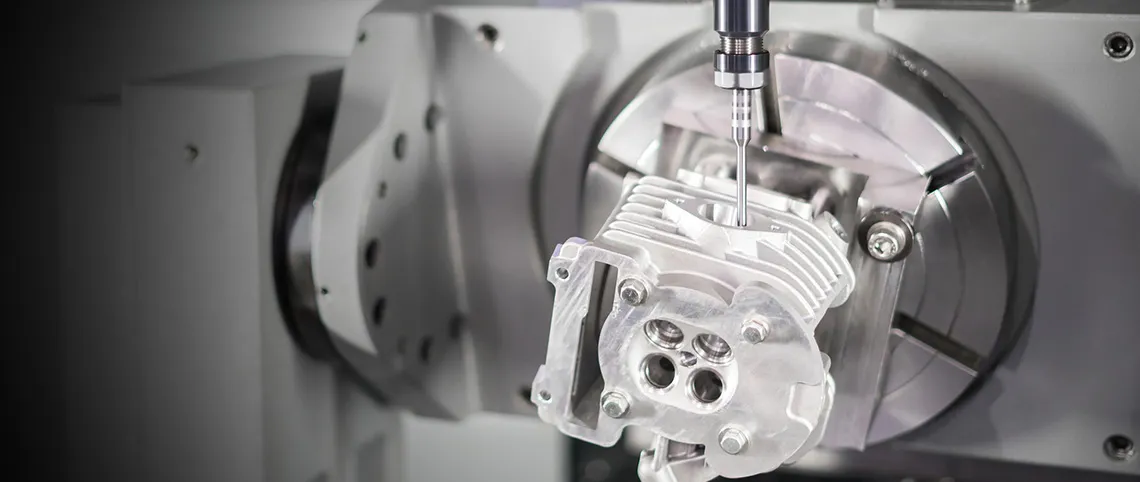
Wholesale Solutions for Valves and Related Products in the Industry
Exploring Valve Wholesale An Overview In the world of industrial applications, valves play a crucial
 English